
 Cookers
 Hobs
Hobs Ovens
Ovens Cooker hoods
 Cooker hood filters
 Refrigerators
 Freezers
 Washing machines
 Tumble dryers
 Washer and dryer accessories
 Dishwashers
 Built-In dishwashers
 Built-in microwaves
 Microwaves
 Mini ovens
 Air Fryers
 Blenders
 Bread machines
 Coffee grinders
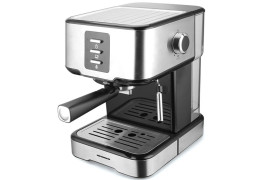 Coffee machines
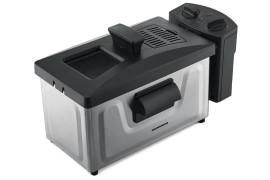 Deep fryers
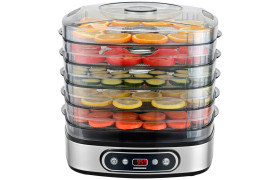 Dehydrators
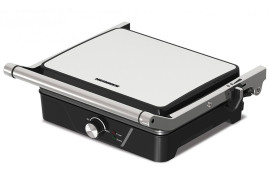 Electric grills
 Electric kettles
 Food processors
 Ice cream makers
 Ice makers
 Juicers
 Kitchen scales
 Meat mincers
 Milk frothers
 Mixers
 Multicookers
 Sandwich makers
 Steamers
 Toasters
 Vacuum sealers
 Waffle makers
  Accessories for vacuum cleaners
  Ironing systems
 Irons
Irons Steam cleaners
 Vacuum cleaner
 Vacuum Cleaners Robots
 Mosquito Protection
 Bathroom scales
 Hair dryers
 Hair straighteners
 Hair stylers
 Petrol generators
 Petrol/LPG generators
 Inverter generators
 Diesel generators
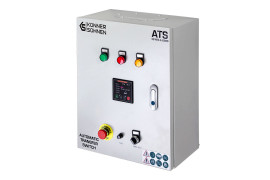 Generator accessories
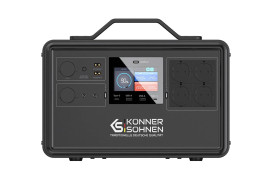 Power Stations
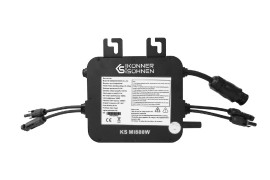 Power station accessories
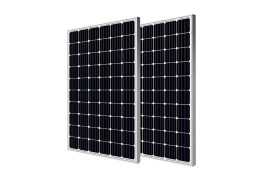 Solar panels
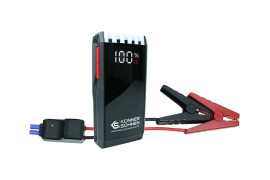 Car battery chargers, testers, starters
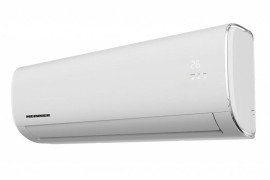 Air conditioners
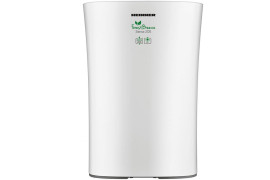 Air purifiers
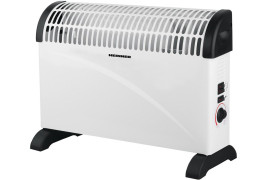 Convection heaters
 Dehumidifiers
 Electric fans
 Electric heaters
 Humidifier
 Infrared heaters
 Oil filled radiators
 Batteries and chargers
 Branch shredders
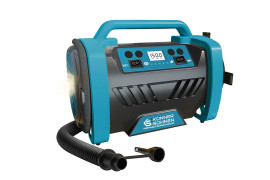 Car air compressors
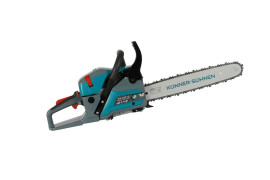 Chainsaws
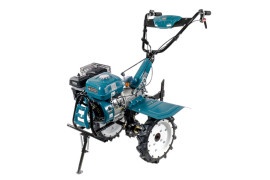 Cultivators / Tillers
 Garden machinery accessories
 Hedge trimmers
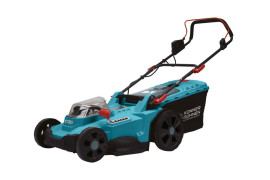 Lawnmowers
 Leaf blowers
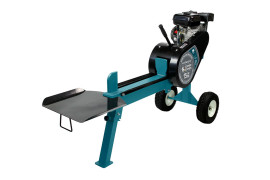 Log splitter
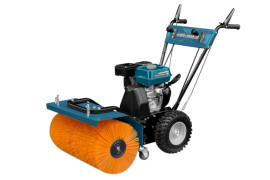 Multifunctual machines
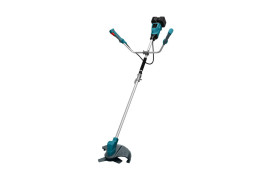 Trimmers and brushcutters
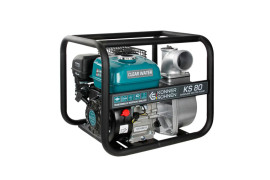 Water pumps
 Interactive displays
 Pans
Pans Pots
Pots Lids
Lids Knives
 Baking dishes and accessories
 Plates
 Bowls
Bowls Cups
Cups Storage containers
 Cutleries
 Cooking utensils
 Kitchen utensils
 Bar accessories
Cart
Your shopping cart is empty! Inverter generators
An inverter generator is a quiet and efficient solution, recommended especially for sensitive electronics. The inverter generator is suitable for a wide range of situations, from emergency power supply for businesses and households to travelling and relaxing in nature. It will be a useful helper not only in situations where the power goes out for a few hours, but even for several days. The inverter generator will ensure that both household and professional appliances keep running.


LPG/gasoline inverter generator 2000W, KS 2000iG S, KÖNNER & SÖHNEN
Product Code: KS-2000IG-S
In Stock
711.55€


Inverter generator 8500W, KS 8100iE ATSR, KÖNNER & SÖHNEN
Product Code: KS-8100iE-ATSR
In Stock
1,452.54€

Gasoline generator automatic Transfer Switch, KS ATS 4/25, KÖNNER & SÖHNEN
Product Code: KS-ATS-4/25
In Stock
255.55€

Inverter petrol/gas generator 8500W, KS 8100iEG, KONNER & SOHNEN
Product Code: KS-8100iEG
In Stock
1,585.55€

Inverter Gasoline Generator 8500W, KS-8100IE-1/3-ATSR, KONNER & SOHNEN
Product Code: KS-8100IE-1/3-ATSR
In Stock
1,585.55€


Diesel inverter generator 9500W KS 9500IDE ATSR KONNER & SOHNEN
Product Code: KS-9500IDE-ATSR
In Stock
3,637.55€

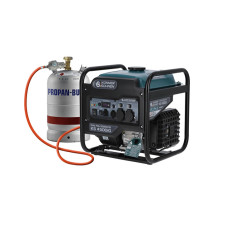
Inverter generator LPG/gasoline 4500W KS 4500iG KONNER & SOHNEN
Product Code: KS-4500IG
In Stock
654.55€
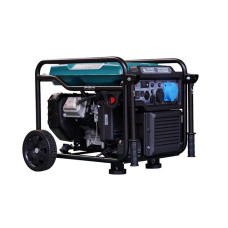
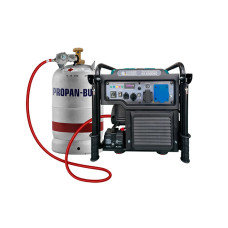
LPG/gasoline inverter generator 6500W KS 6500IEG KONNER & SOHNEN
Product Code: KS-6500IEG
In Stock
1,091.55€
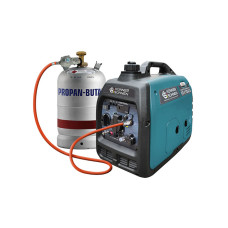
LPG/gasoline inverter generator 2000W KS 2100IG S KÖNNER & SÖHNEN
Product Code: KS-2100IG-S
In Stock
730.55€

LPG/gasoline inverter generator 4000W, KS 4000iEG S, KÖNNER & SÖHNEN
Product Code: KS-4000IEG-S
Ask for availability
1,120.05€

Inverter generator 4000W, KS 4000iE S, KÖNNER & SÖHNEN
Product Code: KS-4000iES
Ask for availability
977.55€

Inverter generator 4000W, KS 4000iES ATS, KÖNNER & SÖHNEN
Product Code: KS-4000iES-ATS
Ask for availability
1,215.05€

Inverter generator 5500W, KS 6000iE S, KÖNNER & SÖHNEN
Product Code: KS-6000iES
Ask for availability
1,215.05€

Inverter generator 5500W, KS 6000iE S ATS, KÖNNER & SÖHNEN
Product Code: KS-6000iES-ATS
Ask for availability
1,386.06€

LPG/gasoline inverter generator KS 5500iEG S
Product Code: KS-5500IEGS
Ask for availability
1,386.06€
This generator differs from a traditional, simple electric generator in several key aspects, particularly in terms of technology, power quality, noise level, and efficiency.
1. Power Quality (Voltage Stability)
Inverter Generators: Produce clean, stable electricity (very similar to grid power at 230 V / 50 Hz), suitable for sensitive devices such as computers, phones, TVs, or heating and gas boilers. In contrast, a standard generator produces power with voltage fluctuations, which can damage sensitive electronics.
2. Operating Principle
Inverter Generators: Generate alternating current (AC), convert it to direct current (DC), and then invert it back to highly stable AC power.
Conventional Generators: Produce alternating current directly, without additional processing.
3. Noise
Inverter Generators: Much quieter, as they operate only at the speed needed for the current load.
Conventional Generators: Run at a constant speed, making them louder.
4. Fuel Consumption
Inverter Generators: More economical – they automatically adjust engine speed based on the load.
Conventional Generators: Often consume more fuel, especially when not running at full capacity.
5. Size and Weight
Inverter Generators: Typically more compact and lightweight.
Conventional Generators: Often heavier and bulkier.
6. Price
Inverter Generators: More expensive due to advanced technology.
Conventional Generators: Cheaper, but less efficient.
When to Choose Which?
Inverter Generator: Ideal if you need to power sensitive electronic devices, and you value quiet operation and efficiency (e.g., for camping, home backup, working with computers, market stalls, or fairs).
Conventional Generator: Better suited when you need a lot of power at a lower cost, e.g., on construction sites, for powering heavy machinery, or as a temporary solution in a cottage or plot where you need to use electric tools or just lighting and non-sensitive electrical devices